
Fuel Crisis Exposes NZ’s Oil Dependence
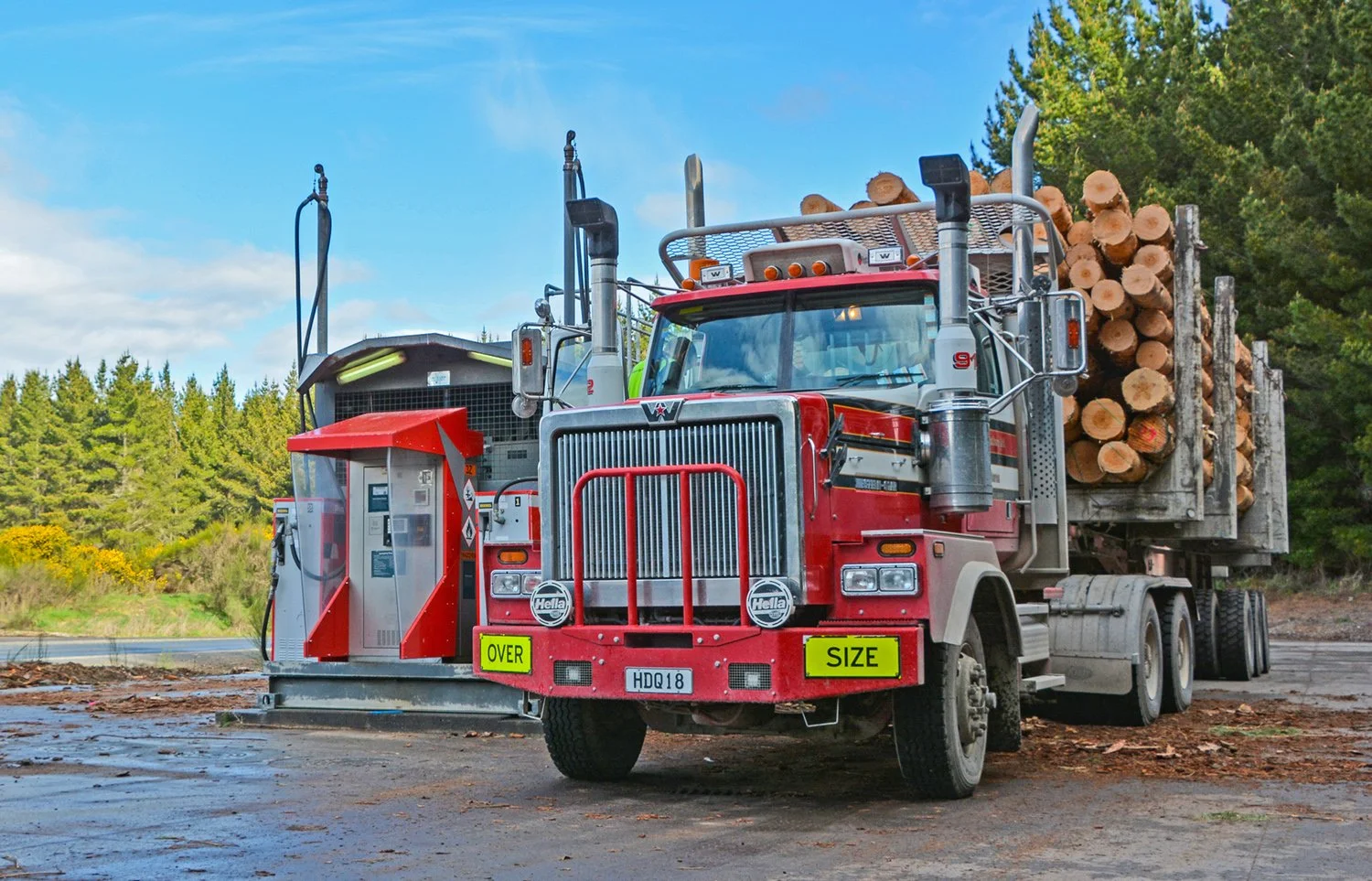
New Zealand’s growing fuel crisis has laid bare a hard truth: the country is dangerously reliant on imported oil, and the consequences are now hitting businesses and households in real time.

Dave Boyce New Zealand Trucking Assn. CEO.
David Boyce, CEO of the New Zealand Trucking Association (NTA), says the situation is escalating fast, with diesel prices doubling in March and continuing to fluctuate daily.
“Fuel has now overtaken labour as the biggest cost for many transport operators. That’s a fundamental shift, and it’s happening almost overnight,” says Dave.
As of late March, New Zealand holds just 18 days of diesel supply onshore, with additional fuel shipments enroute. While there is no immediate shortage, Dave says the country remains highly exposed to global disruption.
“We are a long way from our fuel sources, and events offshore are already driving up prices here. That risk isn’t going away.”
Every Kiwi Will Feel It
Road freight moves around 93% of domestic goods, meaning rising fuel costs quickly flow through to everything, from groceries to building materials.
“This is not just a trucking issue. Every product in New Zealand has a freight component, and those costs are now climbing fast,” says Dave.
With New Zealand exporters already operating at a disadvantage due to distance from global markets, rising fuel and shipping costs are adding further pressure.
“We’re up to 12,000km away from key markets. When costs go up here, our exporters become less competitive overnight.” Dave warns that many operators are already under strain. “This is a low-margin industry. The ability to absorb these increases simply isn’t there. Some operators will not survive if this continues.”
Short-Term Fix: Secure Supply at Home
While the Government’s four-phase Fuel Response Plan is a positive step, Dave says more decisive action is needed to protect New Zealand’s fuel security.
“We should not be relying on fuel stored offshore to meet our obligations. It’s time to bring that security home.”
The industry is calling for:
90 days of fuel reserves held within New Zealand
Recommissioning storage at Marsden Point
Clear prioritisation of essential freight to avoid supply chain disruption
“These are practical steps that would immediately strengthen our resilience.”
Long-Term Fix: Use What NZ Already Has
Dave says the bigger issue is New Zealand’s long-term reliance on imported oil, and the solution is already within reach.
“We are one of the few countries in the world with strong hydro and growing solar capability. We should be using that to power our economy.”
New Zealand needs a coordinated, legislated transition to:
Expand hydro and solar generation
Electrify heavy transport, including trucks
Build a nationwide charging network
Update regulations to support new vehicle technologies
“This is not a future conversation, it’s a now conversation.”
Time for Legislative Leadership
Dave says New Zealand needs clear direction and urgency from the Government. “We need legislation that backs energy security, supports investment in renewables, and enables the transition away from imported oil.” “This is about resilience, affordability, and economic security.”
A Turning Point for New Zealand
Dave says the current crisis must be a catalyst for change.
“We can keep reacting to global events, or we can take control of our energy future.”
“New Zealand has a natural advantage. What we need now is the leadership to use it.”