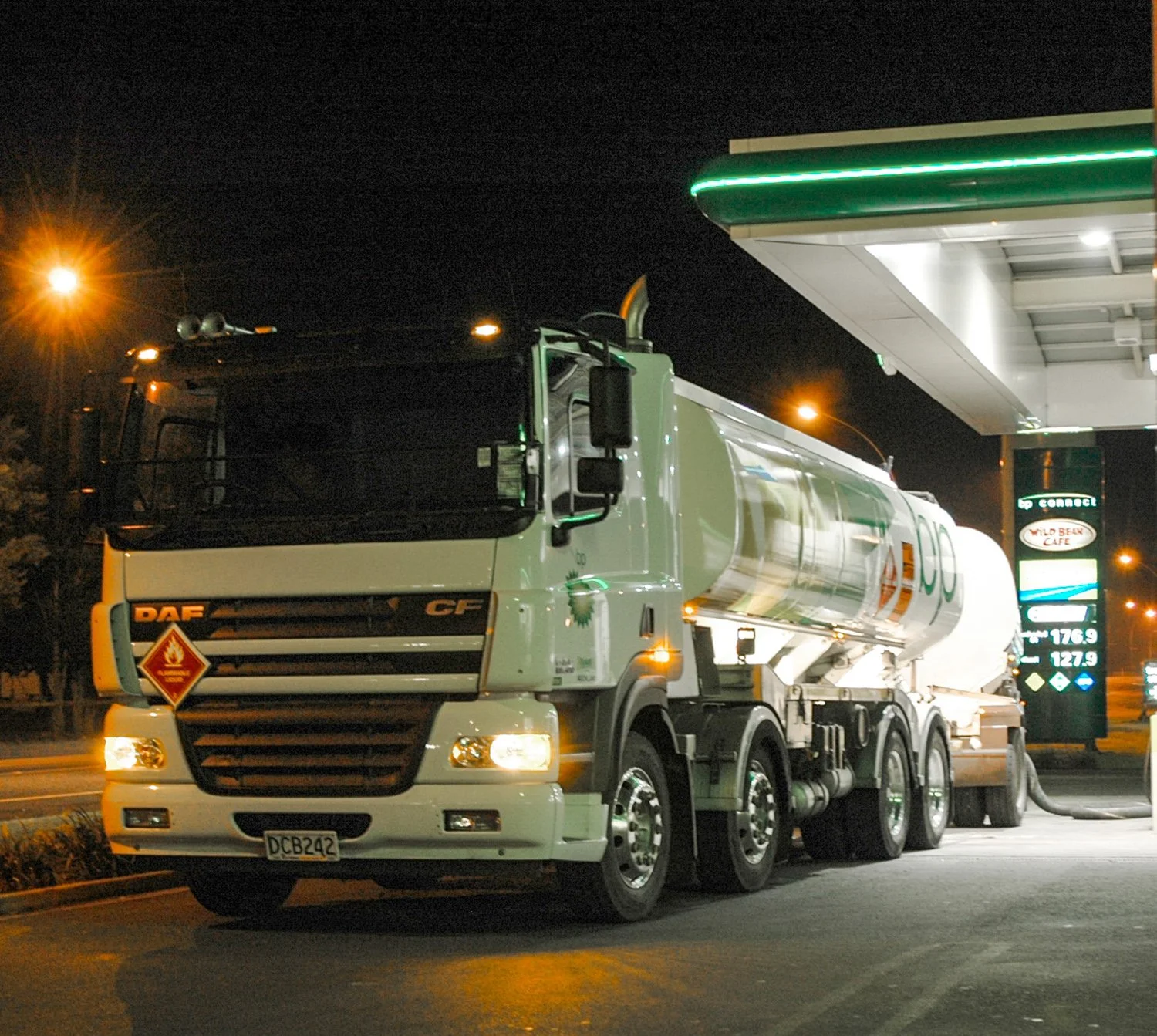
Transport operators across New Zealand are once again feeling the impact of global events on their businesses. A conflict or disruption on the other side of the world can quickly flow through to the pump, leaving operators suddenly facing significant increases in fuel costs with little warning and even less time to plan.
The New Zealand Trucking Association (NTA) is urging operators to take immediate practical steps to protect their businesses and manage the financial pressure created by rising fuel prices.
While operators cannot control global fuel markets, there are several actions that can help reduce risk, improve visibility of costs, and ensure increases are properly accounted for in pricing.
1. Link Fuel Accounts with Telematics
Operators should ensure their fuel accounts are integrated with their telematics systems. Matching fuel purchases with vehicle activity allows operators to clearly monitor fuel usage and quickly identify any irregularities.
This provides a valuable safeguard against fuel theft, misuse, or discrepancies, while also giving operators better insight into vehicle efficiency and operational performance.
With fuel being one of the largest operating costs in transport, having accurate data is essential.
2. Review and Adjust Fuel Adjustment Factors (FAF)
Operators are also encouraged to review their Fuel Adjustment Factor (FAF) regularly. Many transport contracts include a fuel adjustment mechanism, but it must be actively maintained to remain effective.
Updating the FAF weekly ensures it reflects current fuel price movements and allows operators to recover increased fuel costs as they occur. If this adjustment is not kept current, businesses can quickly find themselves absorbing costs that should be passed through.
In today’s volatile environment, regularly reviewing the FAF is a critical step in protecting business viability.
3. Look for Opportunities Within Existing Customers
In challenging times, diversification does not always mean finding new customers. Often the most immediate opportunities sit within an operator’s existing client base.
Reviewing current relationships may uncover opportunities to provide additional services, increase freight volumes, or offer complementary transport solutions. Strengthening these partnerships can help stabilise revenue and improve resilience during periods of uncertainty.
Industry Support Available
The Association also reminds operators that they do not have to navigate these challenges alone. Through industry partnerships and collective buying power, operators may have access to improved fuel pricing arrangements and support when reviewing supply options.
Operators who are unsure whether they are receiving the best possible fuel pricing are encouraged to contact the Association for assistance.
In times of global uncertainty, strong business systems, good information, and industry collaboration become more important than ever.
The Association will continue working alongside operators to ensure the industry remains resilient, efficient, and prepared for whatever challenges arise next.
The Association encourages operator not sure if they are recieving the best fuel deals to check their fuel pricing by phoning 0800 338 338.