Route planning prevents headlines
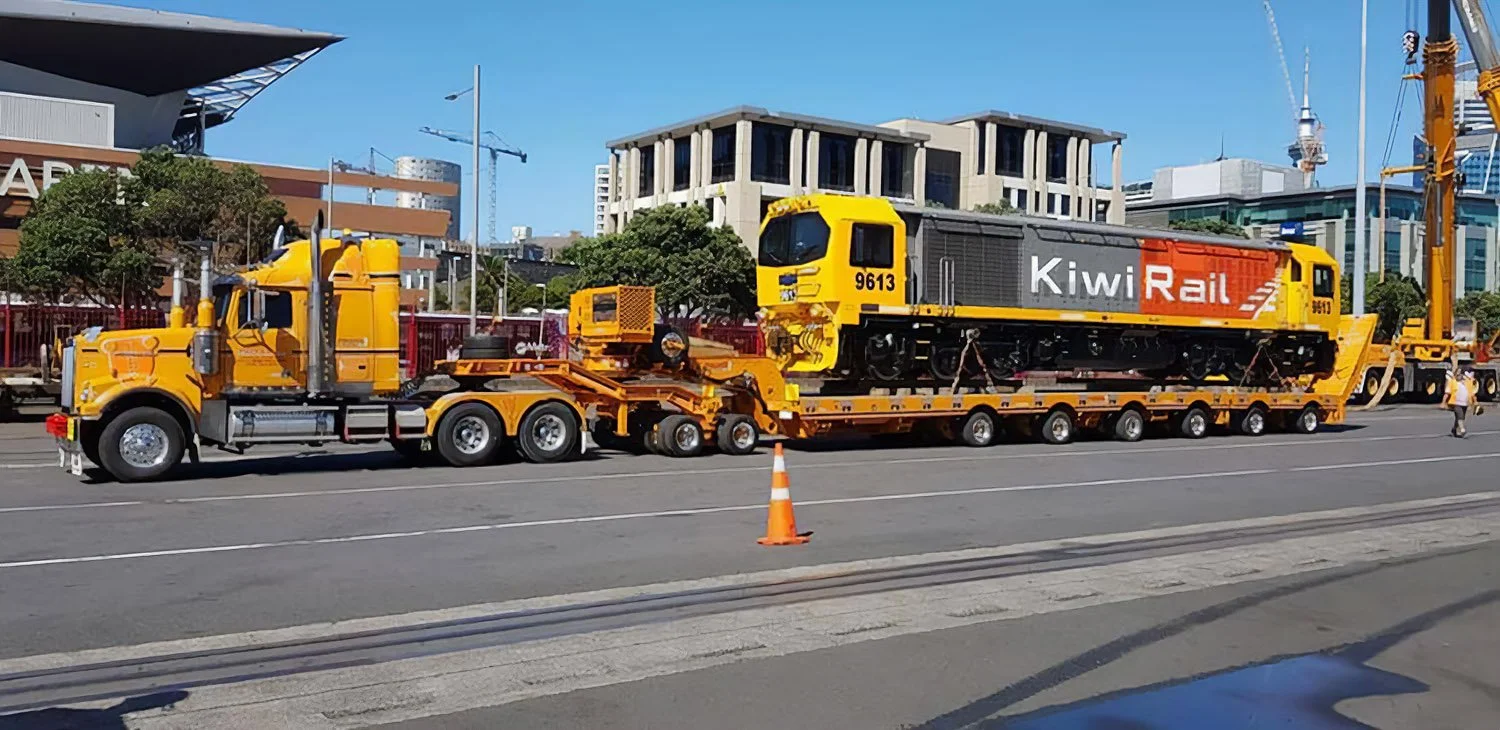
The New Zealand Trucking Association is urging transport operators to optimise route planning, especially with large loads, when crossing rail tracks with limited access.
The New Zealand Trucking Association (NTA) is reminding all transport operators and truck drivers to actively plan their routes and ensure drivers are familiar with rail crossings, particularly short-stacked crossings, where there is limited space for heavy vehicles to clear the tracks safely.
Since 2014, there have been multiple fatal crashes involving trucks and trains at rail crossings across the country, including incidents in Ashburton, Rangiriri, Manawatū, Kawerau and Marton. In addition to these tragedies, data shows there have been close to 350 near-miss events between trains and heavy vehicles in less than a decade.
While collisions at short-stacked crossings remain relatively rare, they are not insignificant. KiwiRail data shows that between 2010 and September 2025 there were ten collisions between trains and heavy vehicles at short-stacked crossings, and a further 165 near-collisions at those same locations. Each one represents a serious risk that could easily have resulted in loss of life.
“Near misses matter,” the Association says. “They are warnings, not statistics to be ignored. Every near-collision tells us something went wrong, and that the next incident could be far worse.”
The recent truck–train crash in Christchurch has reinforced the urgency of taking a proactive, prevention-focused approach. In response, the New Zealand Trucking Association has asked TrackSafe to provide a national map of all known short-stacked rail crossings. Once completed, this resource will be added to the HARMfree portal under the Good Work Design section, within the “Plan Your Journey” guidance.
Transport companies are being encouraged to map short-stacked crossings as part of their journey planning, ensure these locations are flagged in route planning systems, and make certain drivers understand the risks before they encounter them on the road.
“We would always prefer to see hazardous locations reconfigured or removed entirely, but we also acknowledge that infrastructure change requires significant investment and time,” the Association says. “In the meantime, planning, awareness and good work design are practical steps we can take right now.”
The New Zealand Trucking Association continues to advocate for increased funding and long-term solutions to improve safety at short-stacked crossings nationwide. However, the immediate priority is preventing further harm.
“We do not want to read another headline about a truck and train collision,” the Association says. “Route planning saves lives. Knowing the crossing before you reach it can make all the difference.”