Stronger safety management systems advised following Coroner’s findings
The New Zealand Trucking Association (Association) is urging transport operators to review their vehicle safety practices following a recent Coroner’s report into a tragic fatality involving a heavy vehicle.
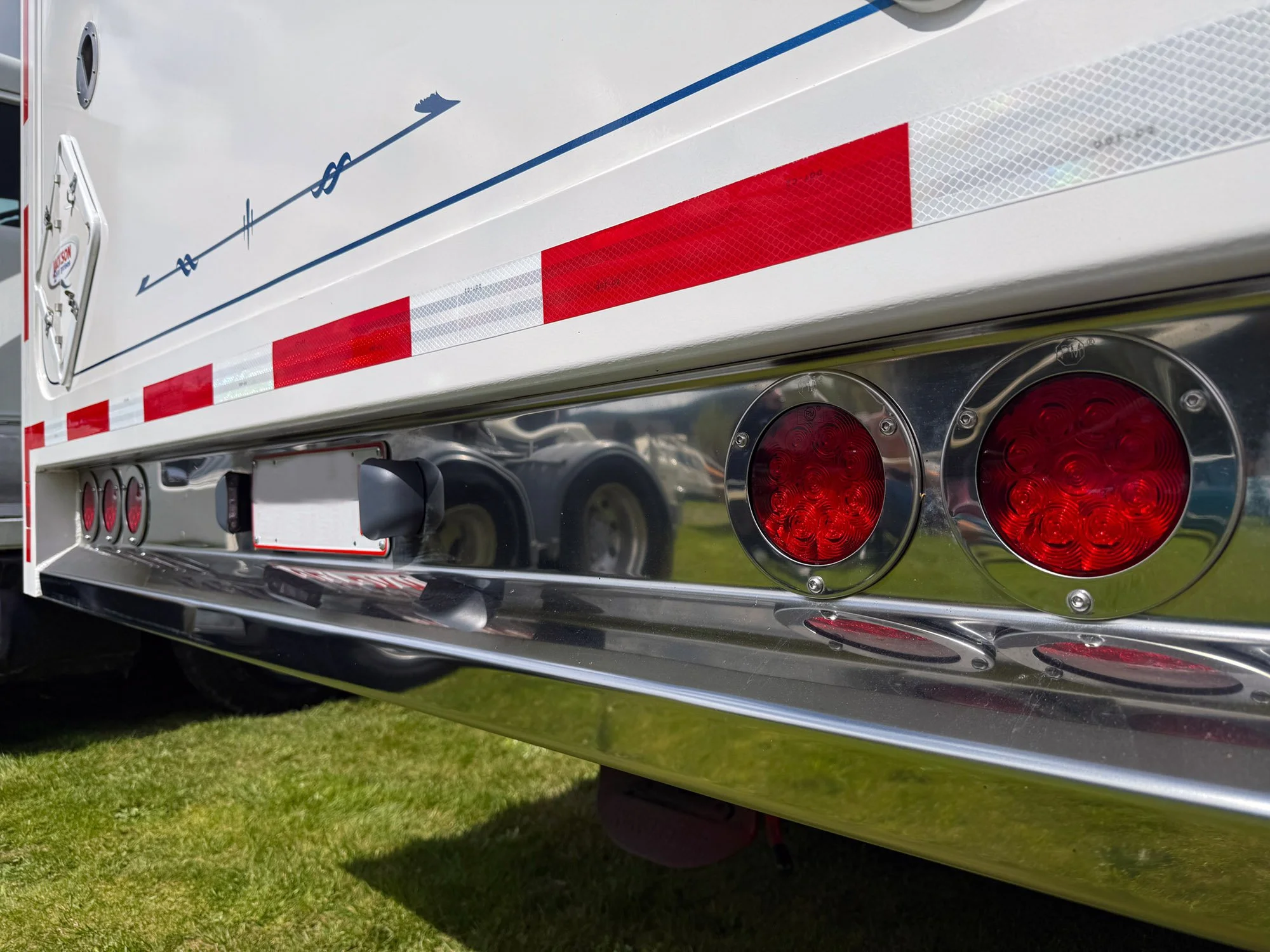
The incident, which involved a motorcyclist travelling at speed in the dark and without a helmet, resulted in the rider colliding with a legally parked truck. The coroner found that excessive speed and failure to wear a helmet were the primary causes of the crash. A contributing factor noted was that the parked truck did not have its rear-facing red light switched on at the time. (Safe Parking rules for heavy vehicles state that by law they must display a rear-facing red light, visible for 100m on the side closest to the road. Plus, goods service vehicles parked on a roadway at night must have a red light on projecting loads that extend more than 1 metre behind the vehicle.)
Whether the presence of rear-facing lights would have prevented the collision remains unknown.
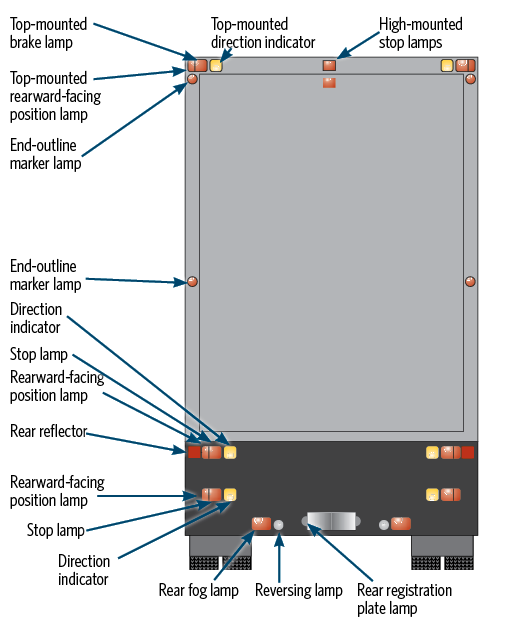
This diagram details the correct placement of lights on a heavy vehicle in New Zealand.
While the circumstances of this incident are complex, the involvement of a heavy vehicle inevitably places increased scrutiny and public focus on transport operators.
In response, the Association is reminding the industry to ensure that:
Marker lights are correctly fitted to all heavy vehicles
Marker lights are switched on when vehicles are parked on the roadside
“Even when a truck and its operator have complied with their legal obligations, incidents like this cast a spotlight on the sector,” said an Association spokes person. “Anything that improves visibility on the road, including the simple step of ensuring parked vehicle marker lights are illuminated, has the potential to support safer outcomes.”
However, the Association stresses that safety cannot rely on single actions. It is calling on operators to adopt comprehensive Safety Management Systems that provide structure, evidence, and continual safety improvement across operations.
The Association points to resources such as the Transport Well Charitable Trust’s “TruckSafe” as an effective and practical solution for transport businesses of all sizes. TruckSafe is a comprehensive, New Zealand-specific safety management framework written in clear, practical language and supported with templates, guides, and tools to help operators meet their obligations.
“Having a structured safety management system in place means operators have the policies, procedures, and documentation required should an incident occur, but more importantly, it helps prevent incidents in the first place,” they concluded.